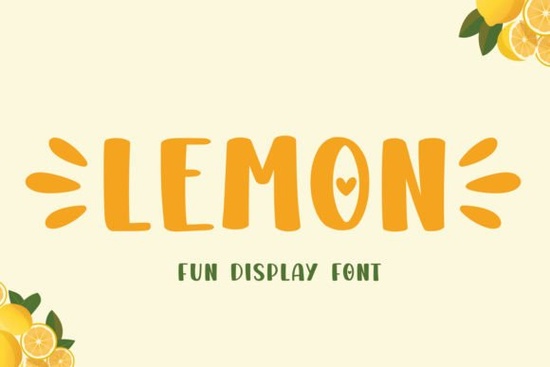
If you’re looking for a font that feels like sunshine in letter form, Lemon Font might be just what your next project needs. It’s got that cheerful bounce in its curves and a playful rhythm that works whether you’re designing kids’ party invites, seasonal decor, or greeting cards for Mother’s Day. The strokes feel hand-crafted but clean enough to scale across print, digital, or even embroidery hoops.
What makes it especially handy is how well it adapts. You can pair it with something minimalist like Dusty Font for contrast, or let it shine solo on a tote bag or classroom poster. Its personality doesn’t overwhelm it invites. And if you’ve ever tried to find fonts that feel “springy” without being too cutesy, or “festive” without leaning into holiday clichés, this one walks that line nicely.
What kinds of projects does Lemon Font work best for?
Here’s where it really earns its keep:
- Seasonal crafts – Think summer picnic signs, autumn harvest tags, or spring garden markers. The font carries warmth without feeling tied to one specific month.
- Kids’ designs – Birthday banners, classroom name tags, or activity sheets. The rounded terminals and gentle bounce make it approachable for little eyes.
- Greeting cards – Especially for occasions like Valentine’s Day or Mother’s Day, where you want warmth without stiffness.
- Embroidery & vinyl cutting – Clean outlines mean fewer thread breaks or cut errors. Test it at small sizes first, but generally, it holds up well.
- Print-on-demand products – Mugs, shirts, tote bags. The font’s charm translates across materials, and customers respond to that handmade-but-polished look.
It also layers well with other display fonts. Try pairing it with Summer Chunky for bold headers, or soften the combo with Oopsy Doodle for handwritten accents. If beachy vibes are more your thing, Waves Beach makes a surprisingly good companion think lemonade stands by the shore.
Is Lemon Font easy to use for beginners?
Absolutely. You don’t need fancy software or typographic training. Most design platforms (Canva, Silhouette Studio, Cricut Design Space, Adobe Express) will recognize it right after installation. Just unzip, install, and start typing. The character set includes basic punctuation, numerals, and multilingual support for Western European languages enough for most everyday projects.
One tip: avoid using all caps unless you’re going for maximum playfulness. The lowercase letters have more personality, especially the ‘g’, ‘y’, and ‘q’ with their quirky tails. For titles or logos, mixing uppercase first letters with lowercase body gives the best balance.
How does it compare to similar playful fonts?
Fonts like Sunday Bright lean more into retro diner signage, while Lemon Font feels like a handwritten note passed between friends. It’s less rigid than geometric display fonts and more polished than true script fonts. That middle ground is why it’s so versatile.
If you already own Lemon Font, you’ll notice it doesn’t compete with itself meaning, even when layered or repeated, it doesn’t become visually noisy. That’s rare in display fonts and super useful for patterns or repeating elements.
Any tips for getting the most out of it?
Yes here’s what experienced crafters do:
- Add subtle shadows or outlines to make it pop on busy backgrounds.
- Use color gradients lemon yellow fading to soft orange, for example to enhance the sunny vibe.
- Pair with simple sans-serifs for body text. Let Lemon Font handle headlines or accents.
- Scale it generously. This font thrives when given space. Tiny sizes lose some charm.
Also, don’t be afraid to rotate letters slightly or stagger baselines for extra whimsy the font’s built to handle it without looking messy.
Where can I see real examples of Lemon Font in use?
Check Creative Fabrica’s customer gallery sellers often upload mockups of mugs, SVG cut files, or printable wall art. You’ll see how others use spacing, color, and context to maximize its charm. One popular trend? Using it on chalkboard-style signs with faux texture overlays. Another? Layering it over watercolor washes for greeting cards.
If you’re still unsure, download the preview file first. Most listings include a PNG or PDF sample sheet showing uppercase, lowercase, numbers, and common ligatures. Test how it looks next to your existing fonts before committing.
Next step: Open your current project file. Try replacing one headline or accent word with Lemon Font. See how it changes the mood. If it adds that touch of lightness you’ve been missing you’ve found your new go-to.
Get Started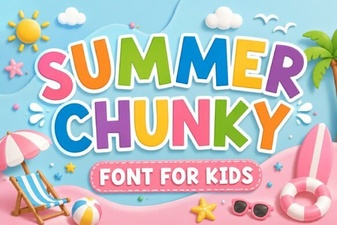 Summer Chunky Fonts for Bold & Creative Designs
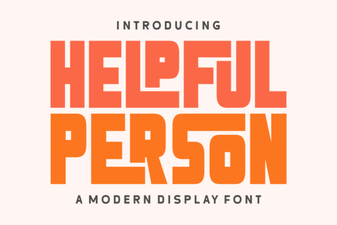 Helpful Person Font Designs for Creative Projects
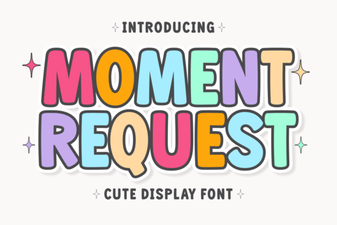 Modern Type: the Moment Request Font Guide
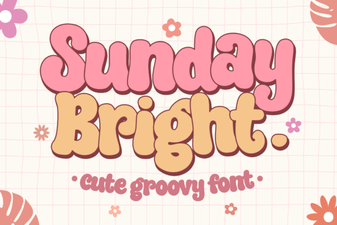 Sunday Bright Font: Creative Ideas & Design Tips
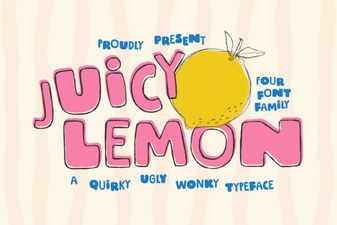 Juicy Lemon Font for Creative Web Projects
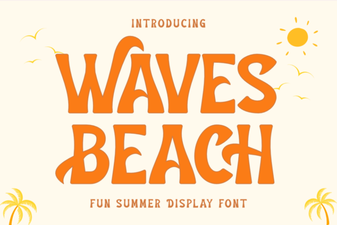 Unlock Waves Beach Font for Design Creativity