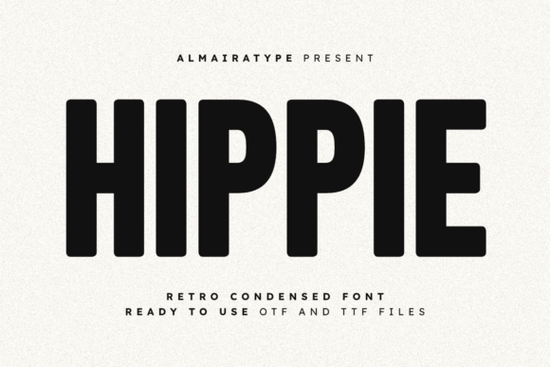
If you’ve been searching for a typeface that brings retro charm without feeling dated, the Hippie Font might be exactly what your next project needs. It’s not just another vintage-style font it’s built with clean lines and subtle curves that make it feel fresh, even when used in modern branding or apparel. Whether you’re designing t-shirts for Etsy, creating social media banners, or prepping vinyl decals for your Cricut, this font holds up beautifully across formats.
What makes Hippie Font work so well for print-on-demand and craft projects?
One of the biggest reasons designers love this font is how readable it stays, even at smaller sizes or on curved surfaces. The letters are tall and condensed, which means you can fit more text in tight spaces without losing clarity. That’s especially helpful if you’re working on mug wraps, tote bags, or stickers where space matters. The slightly rounded terminals give it personality without making it look childish or overly decorative.
It also plays nicely with cutting machines. If you’ve ever had trouble with intricate fonts tearing during vinyl cuts, you’ll appreciate how sturdy each character is here. No thin serifs or fragile loops to worry about just smooth, continuous lines that Silhouette and Cricut users can rely on.
How does it compare to other minimalist sans-serifs?
While fonts like Muffin lean into playful softness and Godthem offers sharper, tech-inspired geometry, Hippie sits comfortably in between nostalgic but not kitschy, bold but not aggressive. You could pair it with something like Nura for contrast in editorial layouts, or let it stand alone as a headline font that doesn’t need backup.
Unlike many retro fonts that feel locked into a specific decade, Hippie avoids heavy ornamentation. That’s why it adapts so easily to both 70s-inspired posters and sleek modern packaging. It’s the kind of font you’ll reach for again and again because it doesn’t demand constant styling tweaks to fit new contexts.
Who should really consider using this font?
- Print-on-demand sellers Its condensed structure saves space on product mockups while keeping text legible.
- Small business owners Use it for logos, signage, or branded merch without worrying about licensing restrictions (always check the license, but most Creative Fabrica fonts include commercial use).
- Crafters and hobbyists Especially those using heat transfer vinyl or adhesive paper the clean cuts reduce weeding time.
- Social media creators Bold enough to grab attention in thumbnails or Instagram stories, but not so loud it overwhelms your message.
Even if you’re not designing for sale, Hippie works great for personal projects think birthday invites, wall art, or custom labels for pantry jars. The warmth in its letterforms makes even simple phrases feel intentional and styled.
Any tips for getting the most out of Hippie Font?
Spacing is key. Because it’s condensed, you might be tempted to cram words together. Instead, try increasing letter-spacing slightly especially for headlines. A little breathing room lets each character shine and improves overall readability.
Pair it with a neutral sans-serif for body text. Something airy like Hippie’s lighter cousin styles or a basic geometric font will balance its strong presence. Avoid pairing it with other condensed fonts that can feel visually cluttered.
And don’t forget color. While it looks sharp in black or white, try warm earth tones or muted pastels to enhance its vintage-modern vibe. Mustard yellow, olive green, or dusty rose all complement its personality without competing.
If you want to see how others are using it, you can browse examples and grab your own copy at Hippie.
Quick checklist before you start:
- ✅ Download both OTF and TTF versions one might work better with your software.
- ✅ Test kerning at different sizes adjust if needed for your layout.
- ✅ Check licensing terms if selling products most include POD rights, but always confirm.
- ✅ Save a few style variations (bold, outline, shadow) as presets for faster reuse.
Start small try it on a single product or social graphic first. Once you see how versatile it is, you’ll probably find yourself reaching for it more often than you expected.
Get Started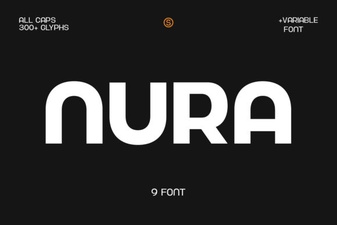 Nura Font for Modern Creative Projects
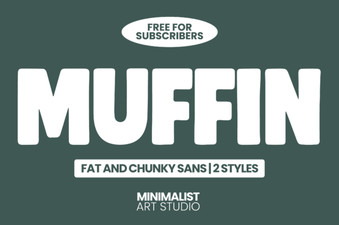 Muffin Font: Tips for Beautiful Typography
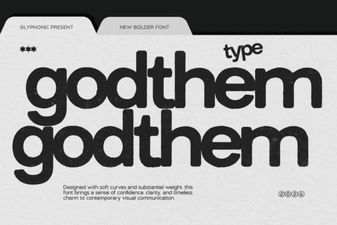 Introducing the Godthem Font for Modern Design Projects
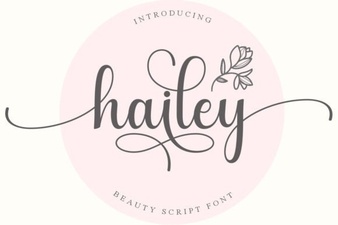 Hailey Font for Clean, Modern Designs
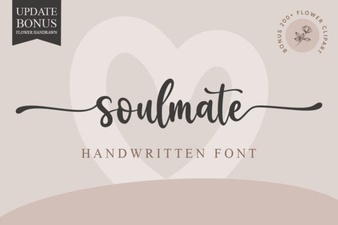 Find Your Soulmate Font for Creative Projects
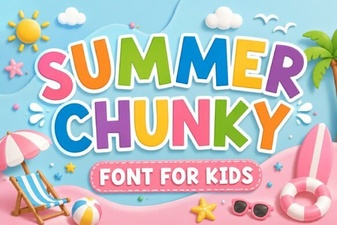 Summer Chunky Fonts for Bold & Creative Designs